
Most UK firms chasing coverage can't prove what it changed. 43% of UK business leaders reported having no PR activity at all, rising to 86% among microbusinesses with fewer than 10 employees and 54% among businesses with 10 to 49 employees, according to YouGov research on British business leaders and PR efforts. That gap is what these PR campaign examples expose. The strongest work doesn't just earn a burst of coverage. It gives journalists a story worth reporting, audiences a reason to share, and leaders evidence of what moved.
The eight cases below span consumer brands, tourism, luxury, technology and culture. For each one, the useful questions are consistent. What was the objective, what was the creative hook, which broadcast, print, digital and social tactics carried it, and what evidence shows it worked? Teams that want to keep learning from practitioners can also compare top PR podcast options alongside this analysis.
Carlos Alba Media brings a specialist test to that work. Everyone who works for Carlos Alba Media is a former national news journalist or has agency experience of working with international brands. Would the idea earn coverage on merit, and could you explain why it mattered commercially? If you can't answer both, you've got publicity, not a campaign.
1. Dove 'Real Beauty Sketches' (Unilever, 2013)
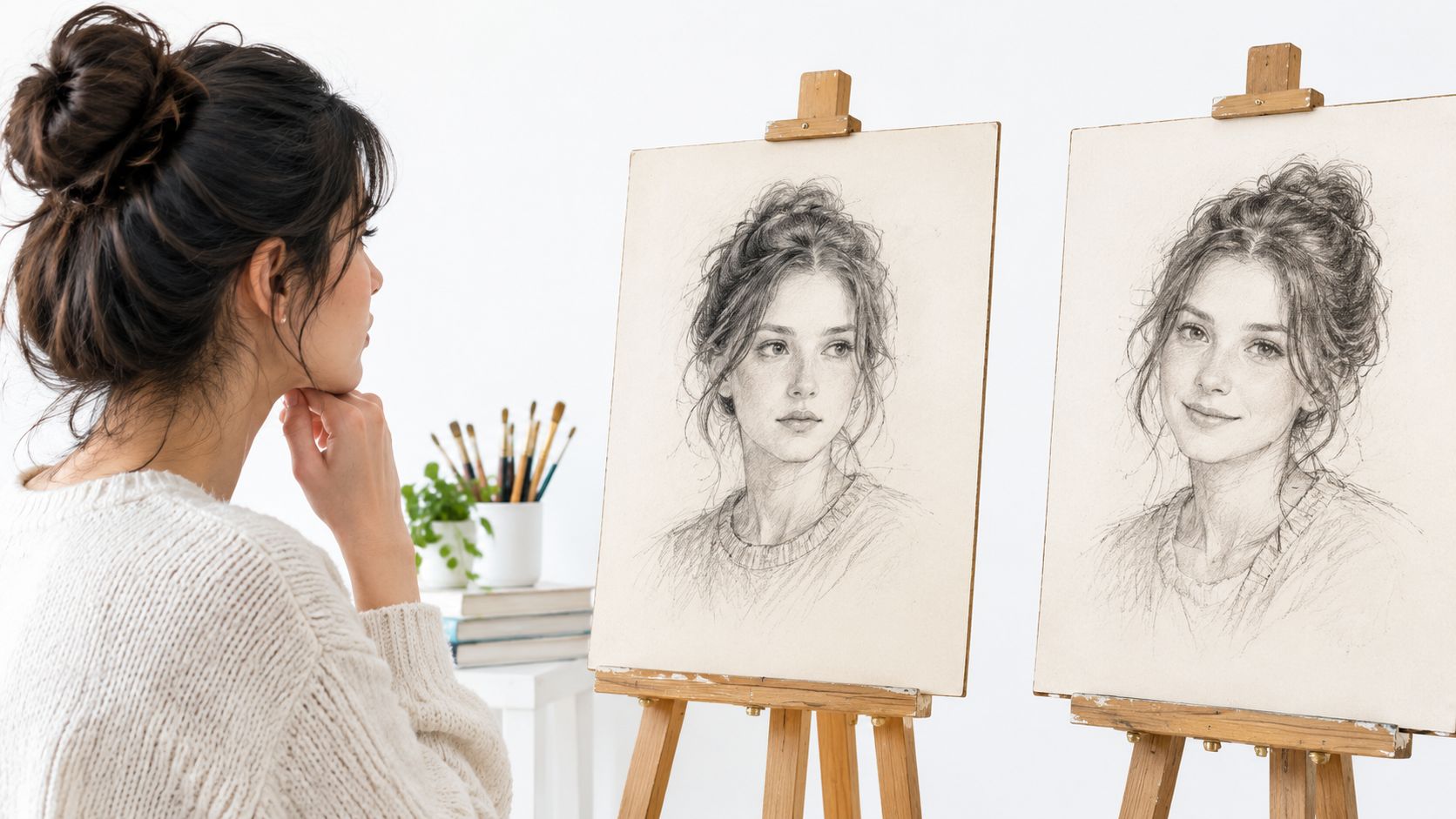
A forensic style artist who never saw his subjects drew each woman twice. First he worked from her own description, then from a stranger's. The second portraits were consistently warmer and more accurate, and that contrast did the persuasion. Dove didn't need a product claim because the film itself proved the point about self-esteem.
The short film extended the Campaign for Real Beauty platform first launched in 2004. That longevity matters analytically. Dove wasn't borrowing a cause for a quarter, it was returning to a position audiences already associated with the brand, then adapting it for a shareable online format. Subsequent work on self-esteem for young people in several countries kept the same logic rather than chasing a new purpose each year.
What Made It Travel
Journalists got a human story, a clear visual and a debate they could localise. Viewers got a reason to send the film to someone specific, not just watch it alone. Those two mechanics are different, and strong campaigns design for both.
- Build for forwarding: Create a moment people want a friend, partner or daughter to see.
- Give media a usable asset: Provide stills, short clips and spokespeople who can discuss the issue, not only the brand.
- Measure reputation properly: Track sentiment, message pull through and quality of earned coverage alongside views.
- Connect purpose to action: Tie the message to programmes the brand funds or runs, so scrutiny strengthens rather than exposes it.
For regulated or health adjacent brands, that last point is essential. Claims about wellbeing invite challenge, and your evidence pack should be ready before launch. Teams planning similar work can use these PR strategy examples from Carlos Alba Media to test whether a purpose idea has a credible operational base. Dove's lesson isn't that emotion beats evidence. It's that emotion travels furthest when the underlying commitment can withstand a newsroom's questions.
2. Old Spice 'The Man Your Man Could Smell Like' (P&G, 2010)
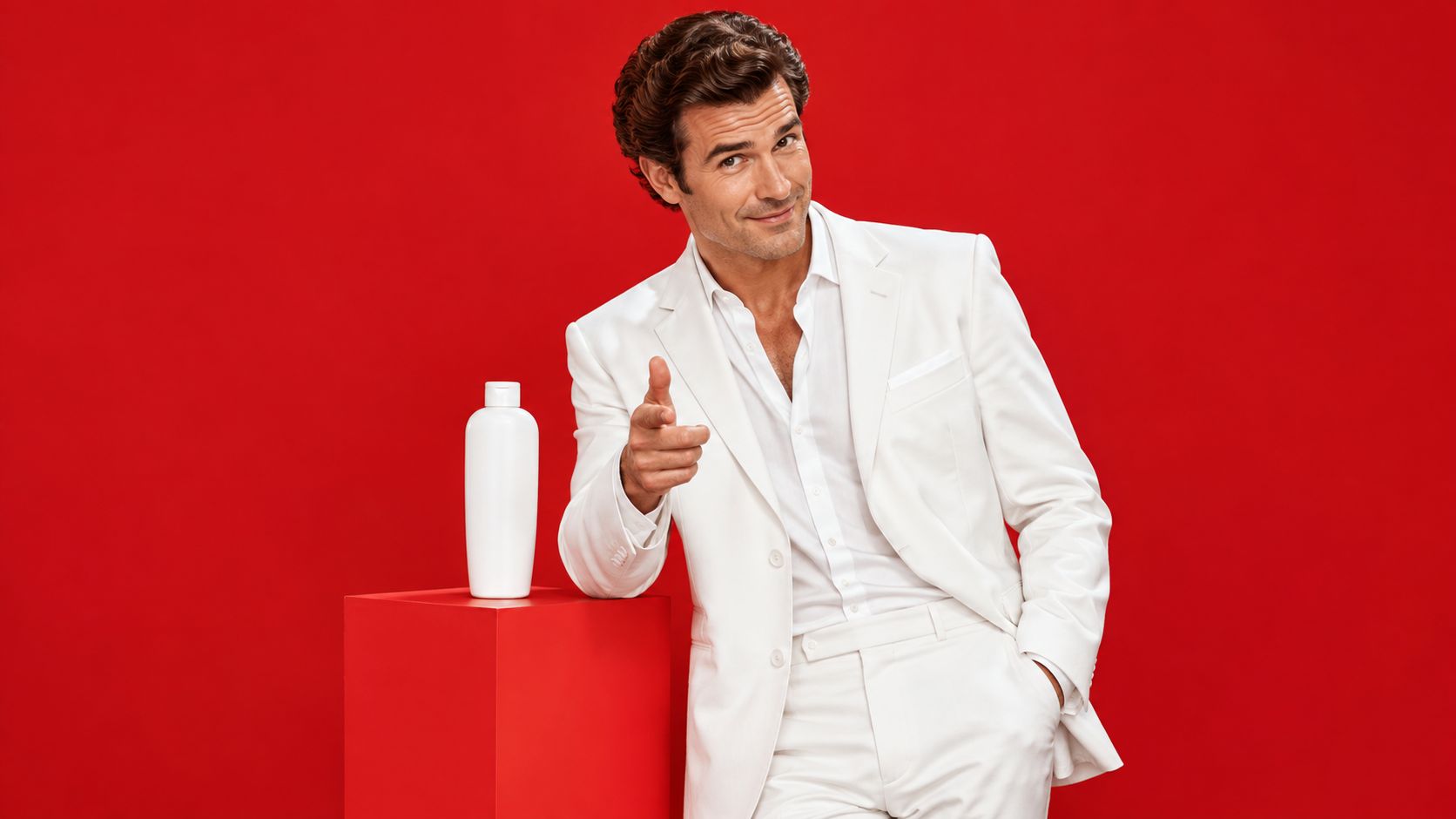
The television spot made people laugh. The follow up made the campaign a PR case study. After Isaiah Mustafa's fast talking advert revived a dated brand in the US in 2010, the team recorded short personalised video responses to fans and celebrities asking questions on social platforms, releasing dozens in quick succession over a single day.
That response mechanic changed the news value. Trade and mainstream media weren't only covering an advert, they were covering speed, improvisation and a brand listening in public. Each reply gave its recipient a reason to share, and each share refreshed the story without another paid placement. Humour created attention, but responsiveness sustained it.
Practical rule: Pre-approve tone, legal boundaries and spokespeople before launch, or real time content will stall in sign off while the conversation moves on.
How Smaller Teams Can Adapt It
You don't need a studio day to borrow the structure. A Scottish tech SME, for example, could film its founder answering customer questions after a product launch, publish replies within hours and pitch the behind the scenes process to business media. A hospitality brand could do the same with a chef responding to guest prompts during a festival weekend.
Use this kind of PR campaign planning framework to build a small response room in advance. Assign who writes, who films, who approves and who monitors risk. Match the channel to where your audience already talks, and don't force a platform because it's fashionable.
The commercial discipline is to define what replies should achieve. Are you driving trial, enquiries, recruitment interest or consideration? Without that choice, personalisation becomes entertaining volume. Old Spice worked because character, timing and distribution pointed at the same job, making an old brand feel current to buyers who'd stopped noticing it.
3. Cadbury 'Gorilla' (Mondelez / Cadbury, 2007 and viral resurgence)
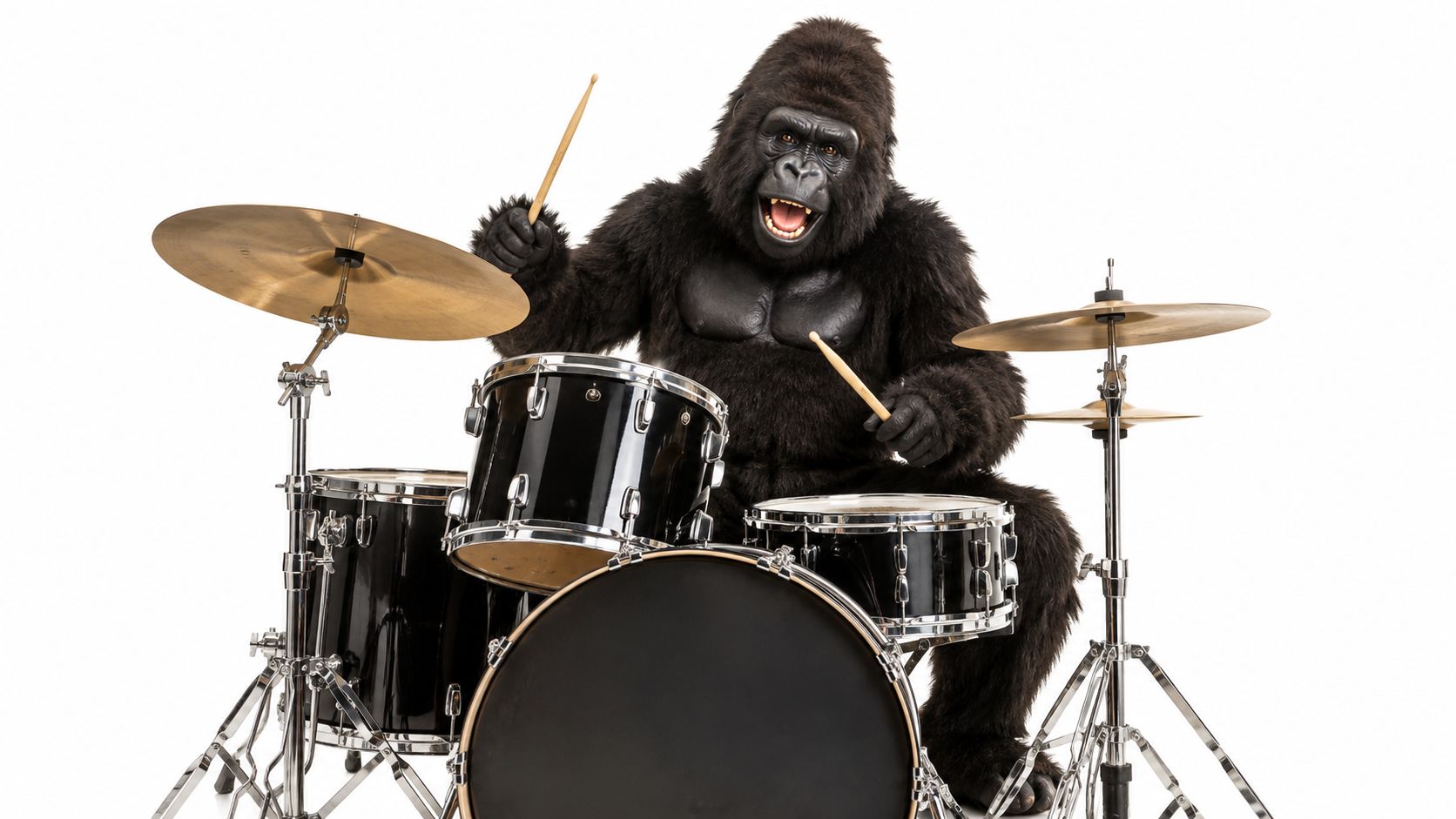
A gorilla sits at a drum kit. Phil Collins builds. Nothing explains chocolate, and that's precisely why people remembered it. First aired on UK television in 2007, Cadbury's Gorilla became one of British advertising's most talked about ideas after viewers uploaded and shared it widely online.
Analysts often misread this as proof that absurdity alone sells. It doesn't. The image was unexpected, but the branding, music cue and single feeling of anticipation were tightly controlled. Viewers could describe it in one sentence, imitate it and recognise the brand instantly. That compressibility is what lets an idea survive retelling by journalists, presenters and the public.
The Long Tail Lesson
Subsequent Cadbury work built on the gorilla and drumming theme, turning a spot into a reusable cultural reference. Campaigns with that kind of memorability can be rediscovered long after launch, which creates both value and risk. Rights, music licensing and clearances need to work beyond the first flight, or a resurgence becomes a legal problem.
- Test for recall, not just liking: Ask audiences a day later what they remember and which brand it was for.
- Brand early and clearly: Make sure the first seconds still work when a clip is cropped, muted or embedded in news coverage.
- Plan reuse from the start: Secure music rights, talent terms and edit permissions for social cutdowns and anniversaries.
- Keep one idea: Don't load a surreal film with product messages that weaken the joke and confuse recall.
For an SME, the affordable version isn't a gorilla suit. It's one distinctive visual that expresses your difference and can be filmed well on a phone. If a regional reporter can't picture the story from your pitch headline, the idea probably isn't sharp enough yet. Gorilla endured because creativity and brand linkage weren't treated as opposites.
4. Volkswagen 'The Fun Theory' (Volkswagen, 2009)
Volkswagen asked a behavioural question instead of making a car claim. Working with DDB Stockholm in 2009, The Fun Theory tested whether people change habits more readily when the better choice feels enjoyable. The most famous experiment turned metro stairs in Stockholm into a working piano keyboard, so each step played a note.
Commuters chose the stairs over the escalator noticeably more often, and the filmed experiment gave broadcasters a complete story. There was a problem, an intervention, visible human reaction and an outcome viewers could judge themselves. A related Speed Camera Lottery idea rewarded slower drivers with prize money funded by fines, applying the same principle to road safety.
The film below shows why the format travelled across borders without heavy explanation.
Why Evidence Is the Creative Asset
This campaign's strategic value lies in measurement design. A fun installation alone is a stunt. A fun installation with transparent observation becomes public interest content that transport, health and civic journalists can use. Volkswagen positioned itself as a contributor to urban life without pretending a staircase solved congestion or emissions.
A measurable public problem gives journalists a reason to cover a brand experiment as news, not as a favour to your marketing team.
UK organisations can localise the model responsibly. A council, university or transport operator could test whether playful prompts increase recycling, stair use or safe crossings in one site, publish the method and invite regional media to film the result. For regulated sectors, independent measurement and modest claims are essential. Don't overstate causality from a short trial, and disclose who funded it.
Prepare strong video, a plain English method note and a spokesperson who can discuss limitations. That transparency is what separates useful behavioural PR from a novelty installation looking for applause.
5. Coca-Cola 'Share a Coke' (Coca-Cola, 2011 onwards)
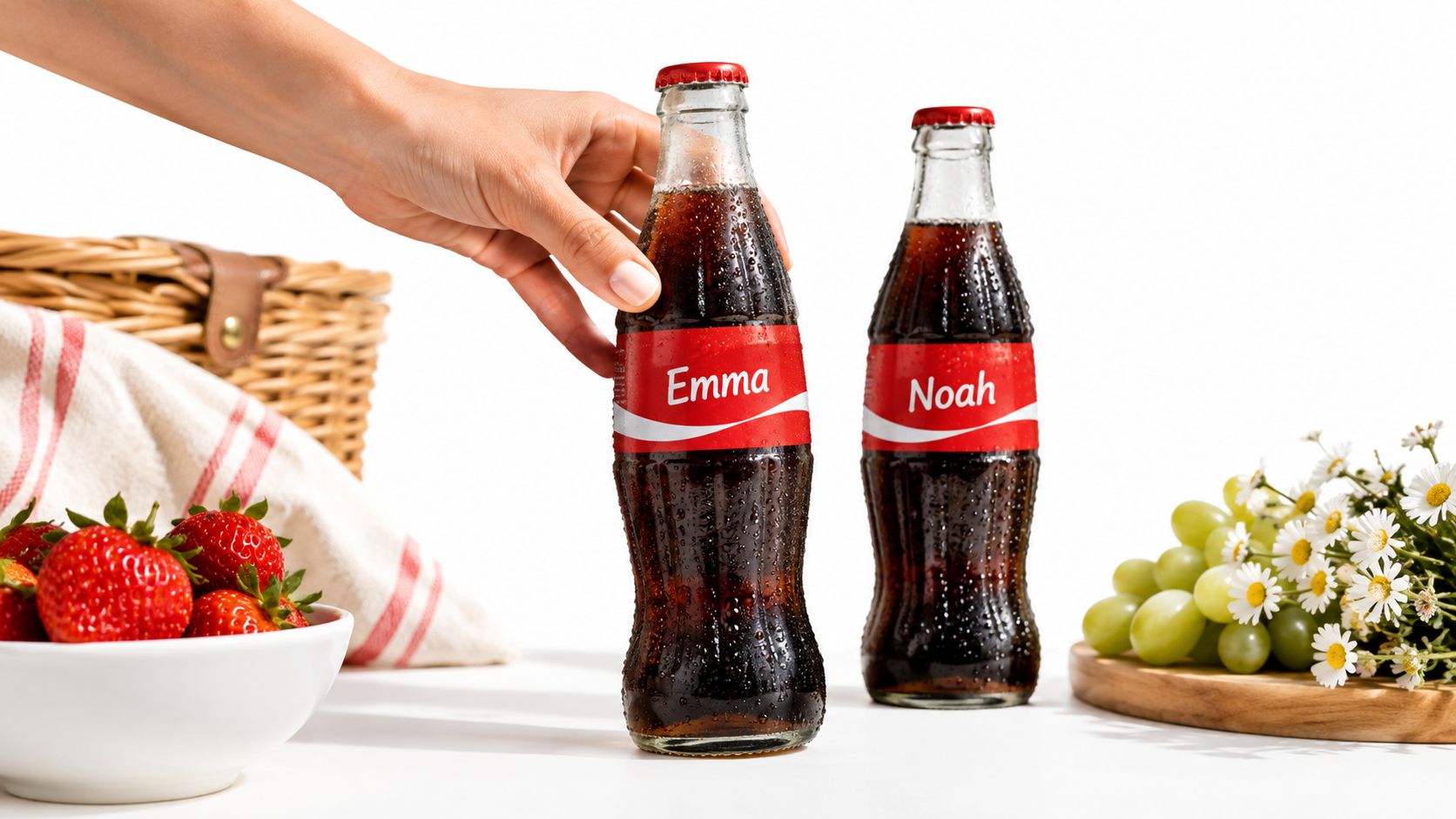
Coca-Cola removed its own logo and replaced it with people's names. Launched in Australia in 2011, Share a Coke encouraged shoppers to hunt for their name or a friend's, buy the bottle and share a photo. The pack became the media asset, the prompt and the proof of participation in one object.
The campaign later expanded internationally from 2014 because local teams could adapt names and language while keeping the mechanic intact. That balance is the lesson. A global idea travelled because it felt personal in a specific shop, on a specific shelf, to a specific person. Personalisation wasn't a digital gimmick added after production, it was built into distribution.
Retail Timing Makes or Breaks It
PR fails here if coverage lands before stock arrives or after popular names sell out. Retail, supply and communications teams had to move together, while regional media could be pitched local name lists and stories of people finding bottles for family members. A simple hashtag and easy to share visuals turned private purchases into public content without asking customers to do complicated work.
Smaller brands can apply the same chain at local scale. A bakery chain could print neighbourhood names on cups, a university could personalise open day materials by subject interest, and a B2B firm could send named insight packs to a small list of decision makers rather than a generic mailer. The question is whether personalisation changes behaviour, not whether it looks clever.
Measure redemption, repeat purchase, enquiry quality and social posts that show real people, not just impressions. Share a Coke shows that tactile participation can outperform a louder message, provided operations can fulfil the promise the story creates.
6. Burberry 'Tweetwalk' at London Fashion Week (Burberry, 2010)
Burberry used London Fashion Week to answer a business question. Could a heritage British luxury brand lead in digital innovation without diluting exclusivity? At its Spring and Summer 2010 show, the brand live streamed the runway online and shared looks and show notes on Twitter in real time as models walked.
Under creative director Christopher Bailey, the Tweetwalk gave fashion editors immediacy and gave technology and business journalists a different angle. The story wasn't only clothes, it was a British company changing who gets access, how quickly trends move and how luxury retail might sell in future. That widened coverage well beyond the fashion pages.
What Event Teams Should Copy
Live formats reward preparation and punish improvisation in the wrong places. Burberry's subsequent live streamed events and digital collections suggest the first show worked as a capability test, not a one off novelty. The brand learned how audiences behaved across platforms and countries, then built from that evidence.
- Agree the news hook early: Decide whether you're pitching design, technology, business change or consumer access, and brief accordingly.
- Rehearse the technology: Test streaming, social publishing and backups under event conditions, with a named owner for failure.
- Brief spokespeople for two audiences: Prepare leaders to speak credibly to both fashion media and business or tech reporters.
- Measure by market: Track reach, viewing behaviour and coverage quality by country, not as one global total.
A Scottish fashion, tourism or food brand can use the same principle at a trade show or launch. Stream a demonstration, publish timed updates for journalists who can't attend and make assets available immediately. Exclusivity doesn't have to mean invisibility. Controlled access, delivered live, can create more desire than a closed room and a press release sent the next day.
7. Red Bull Stratos (Red Bull, 2012)
Felix Baumgartner stepped out of a capsule high above Earth in October 2012, and millions watched live. Red Bull Stratos was a record breaking high altitude skydive from around the edge of space, delivered through Red Bull Media House as live television and online streaming. Red Bull didn't sponsor someone else's story. It built the event, the broadcast and the archive.
That publisher model is the strategic point for smaller organisations, even though the scale isn't replicable. Scientific partners gave specialist journalists credible sources beyond the brand, while preparation, weather delays and human risk created a reporting runway before and after the jump. Subsequent documentaries and live events from Red Bull Media House reused that capability rather than treating Stratos as a single stunt.
Risk Planning Is Part of the Story
A live record attempt can fail in public. Safety governance, medical expertise, broadcast delay decisions and crisis communications had to sit alongside content planning from the start. For regulated organisations, that integration matters more than the spectacle. If your activation involves public safety, children, health claims or financial promotions, legal and operational review isn't a final check. It's part of creative design.
This guide to experiential marketing campaigns is useful for translating the model down to local scale. A university engineering team, outdoor retailer or visitor attraction can create a filmed challenge with genuine expertise, a clear public question and a content schedule that feeds press for weeks. Don't copy the danger. Copy the discipline.
Editorial test: If your event disappeared tomorrow, would journalists lose a real story or only a branded photo opportunity? Stratos passed because the feat, science and jeopardy existed independently of the logo.
The budget gap is real, but it isn't the main gap. Most brands fail earlier, by staging events nobody outside the guest list has a reason to care about.
8. Homecoming Scotland 2009 (VisitScotland and Scottish Government)
Homecoming Scotland 2009 invited Scots and people of Scottish descent worldwide to return for a year of events built around the 250th anniversary of Robert Burns' birth. Festivals, community activity and diaspora gatherings gave national media, international travel press and local businesses a shared story with a clear reason to act that year.
Destination PR is where measurement discipline matters most, because awareness doesn't pay hotel bills. Later UK evidence shows how to build that chain. VisitBritain's GREAT programme aimed to attract 4.6 million additional visitors and generate £2.6 billion in visitor spending, and in 2012/13 its press and PR teams generated 1,491 articles and organised 79 press visits, according to VisitBritain evidence submitted to the Welsh Affairs Committee. The same evidence found people influenced by GREAT spent three times as many nights in Wales as those who hadn't been influenced.
From Coverage to Bookings
That framework is directly usable by Scottish tourism SMEs. Track which press visits produce coverage, which coverage drives visits to booking pages, and whether enquiries convert by market. VisitBritain's Starring GREAT Britain work later reported £20 in visitor spending for every £1 invested and 39% overall campaign awareness between January and May 2025, as set out in VisitBritain annual performance reporting. The point isn't the scale, it's linking reach to consideration and spend.
A smaller hospitality example makes the method practical. The Pedn Olva hotel programme generated 25 pieces of coverage in its first six months and August occupancy reached 100%, with forward bookings rising in line with coverage timing, as described in Florence and Fable hospitality case studies. Use unique landing pages, booking codes and year on year occupancy comparisons.
Homecoming's lesson is calendar power plus local participation. Give international journalists a timely anniversary, give local firms a way to add offers and stories, and measure visitor behaviour together rather than celebrating coverage volume alone.
PR Campaign Examples: 8-Point Comparison Guide
| Campaign | Approach & Complexity | Resource Requirements | Expected Outcome / Impact | Ideal Use Cases | Key Advantage |
|---|---|---|---|---|---|
| Dove “Real Beauty Sketches” (2013) | 🔄 Emotional, purpose-led film; high creative sensitivity | Film production, research, cross-market coordination | 📊 114M+ views within a month; broad earned media and social sharing | Brands building awareness around a relevant social issue | ⭐ Connects brand values with audience concerns |
| Old Spice “The Man Your Man Could Smell Like” (2010) | 🔄 Humour-led campaign with rapid, real-time responses | Strong creative team, social monitoring, fast approvals | 📊 Sustained conversation and media coverage | Brands seeking a younger audience and active social engagement | ⚡ Personalised replies extended the campaign beyond the original advert |
| Cadbury “Gorilla” (2007) | 🔄 Simple, distinctive creative; moderate execution complexity | High-quality production and music licensing | 📊 Strong recall and widespread discussion | Brands seeking memorable, shareable advertising | ⭐ A clear visual idea made the campaign distinctive |
| Volkswagen “The Fun Theory” (2009) | 🔄 Public experiments with measurable behaviour; high planning complexity | Installation, research, measurement, local partners | 📊 Piano stairs reportedly increased stair use by around 66% | Brands linking innovation to a measurable public benefit | 💡 Combines playful engagement with evidence |
| Coca-Cola “Share a Coke” (2011 onwards) | 🔄 Personalisation across retail and digital; complex rollout | Packaging, supply chain, local name lists, retail coordination | 📊 User-generated content, social reach, and expansion to 80+ countries | Consumer brands seeking localised participation and retail engagement | ⭐ Turns a physical product into a personal sharing prompt |
| Burberry “Tweetwalk” (2010) | 🔄 Live event with real-time digital coverage; high coordination | Streaming technology, social team, event and PR coordination | 📊 Global audience reach and coverage across fashion, business, and tech media | Luxury or heritage brands demonstrating digital leadership | ⚡ Extends a live event beyond its in-person audience |
| Red Bull Stratos (2012) | 🔄 High-risk, large-scale live event; very high complexity | Major budget, safety and regulatory planning, media production | 📊 Global live audience and sustained coverage | Brands with the capacity to produce major, newsworthy content | ⭐ Builds a distinctive brand identity through owned media |
| Homecoming Scotland (2009) | 🔄 Year-long, multi-partner programme; high coordination | Government, tourism, community, and business partnerships | 📊 Sustained national, regional, and international tourism coverage | Destinations seeking long-term visibility and visitor interest | 💡 A cultural anniversary provides recurring story opportunities |
Turn the Best Ideas Into Your Next Campaign
The strongest PR campaign examples share one discipline: each creative hook is built to convert. A reporter can explain it quickly, the audience gets one simple action, and the team decides in advance how bookings, enquiries, sales, recruitment or reputation change will be measured. Break any step and even famous work becomes hard to defend in a board meeting.
Measurement is the weak step. 44% of communications professionals said they struggle to align metrics with revenue or business KPIs, and inability to measure impact was identified as the second biggest communications challenge in the YouGov findings noted earlier. A better fix is unglamorous: set a baseline, define one target audience, name the action you want and agree how PR driven behaviour will be separated from other marketing. A campaign with fewer mentions can beat a high volume campaign if it reaches decision makers who act.
Retail shows why operational readiness belongs in the PR plan. A lash serum brand secured exposure on ITV's This Morning and in The Sunday Times Style, after which online sales increased by 500% over three days, as reported in Flipside PR client success stories. The transferable lesson is preparation: record daily sales before launch, tag media driven sessions, check stock and make sure the website and customer service team can cope if national coverage lands.
Use a simple decision framework before you brief creative work. Define one business objective, name the audience insight, choose a hook a reporter can grasp in seconds, match it to channels that audience trusts and prepare evidence before launch. For startups and SMEs, that might mean useful proprietary data, a credible founder spokesperson, a strong local case study or a visual demonstration filmed properly. You don't need Coca-Cola's production budget or Red Bull's risk appetite to be newsworthy in your market.
For regulated organisations, add governance at the start. Agree claims controls, legal review, stakeholder notification and crisis routes while the idea can still change. Transparent methods and restrained language make journalists more willing to run sensitive stories. Specialist judgement helps here, and UK research supports its value. Census figures for England and Wales reported 63,560 PR professionals and 50,000 reporters in 2021, and analysis of that shift notes journalism experience gives practitioners an advantage when pitching because they understand newsroom operation, as discussed in Communicate Magazine analysis of the journalism-to-PR shift.
Carlos Alba Media is a senior-led Scottish PR and digital marketing agency with teams in Glasgow and London. Its newsroom-trained specialists apply the same test used throughout this roundup: would the idea earn coverage on merit, and can the commercial effect be measured? Effective PR is a coordinated system connecting creative, media, audiences and measurement across broadcast, print, digital and social channels, built to earn attention and prove what changed.
If you're planning a launch, tourism push or reputation campaign and need senior newsroom judgement tied to measurable outcomes, Carlos Alba Media can help you shape a story journalists want and leaders can evaluate. Visit Carlos Alba Media to discuss your objectives, audiences and the evidence your next campaign needs to deliver.